Real Stories from Small Business Owners
Tariffs are threatening the livelihoods of real Americans.
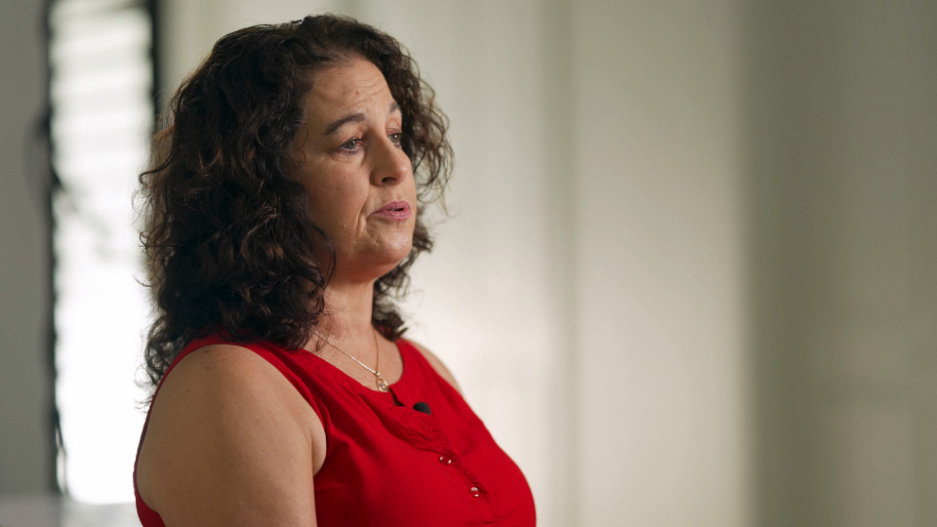
Chris Gibbs
Gibbs Farms
Chris has farmed corn, soybeans, and cattle in West Central Ohio since 1983. He started from scratch with just a pickup truck. Tariffs have hit him from both sides: the cost of his equipment and inputs has stayed high, while his ability to sell his commodities to foreign markets has stagnated due to retaliatory trade wars.
The Impact:
– Export markets for crops stagnated
– Input costs remain high
– Lost financial independence
“Prices have not come down for the inputs and our foreign trade has stagnated. All of that wrapped together has hurt agriculture. Farmers are now dependent on the taxpayer, and that is the worst possible outcome.”
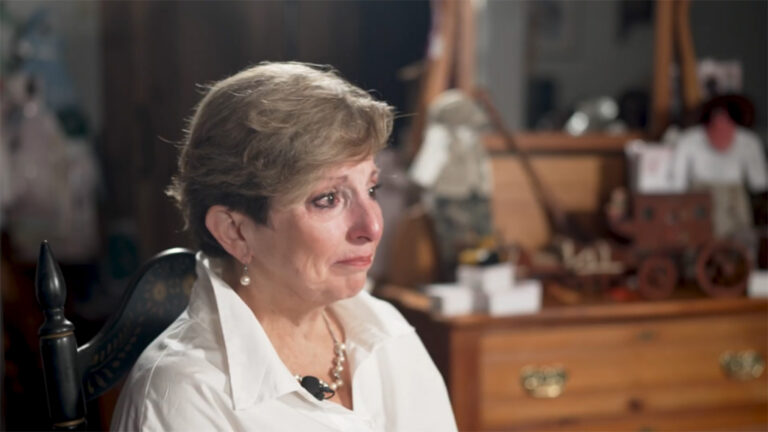
JOANN CARTIGLIA
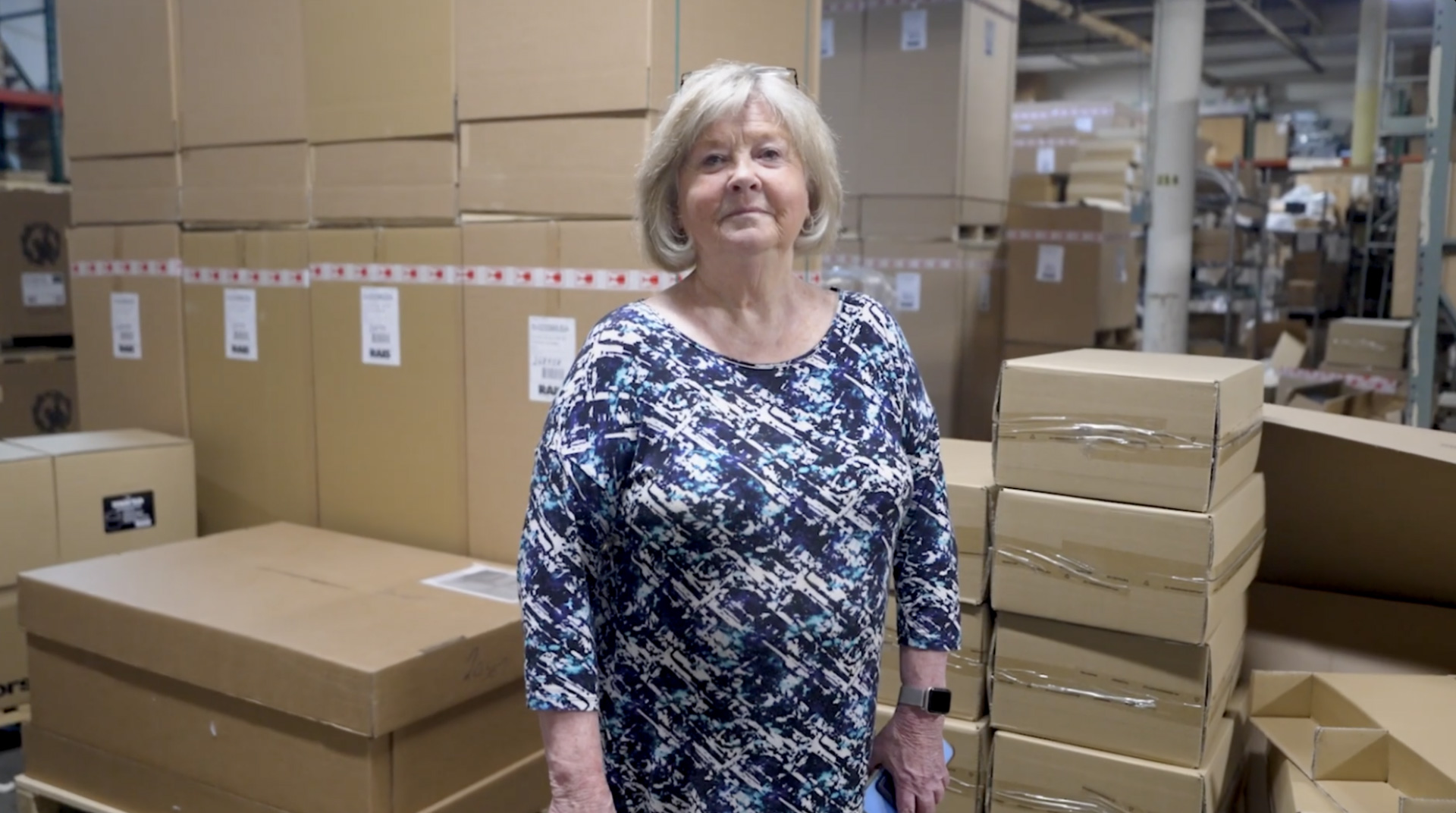
The Queen’s Treasures
Joann started The Queen’s Treasures in her basement 20 years ago, growing her historic toy line into a national brand. This year was supposed to be for planning her exit strategy so she and her husband could retire. Tariffs on the toys she manufactures made her products nearly unsellable, erasing the value of the business she built to support her family.
The Impact:
– Retirement plans indefinitely postponed
– Products became too expensive to sell
– Personal savings and family financial goals were wiped out
Jennifer Bergman
Westside Kids NYC
Jennifer is the second-generation owner of West Side Kids, a beloved toy store in New York City founded by her mother in 1981. For decades, the store was a staple of the community. When tariffs on toys spiked to 145%, Jennifer found she couldn’t compete with big-box retailers who could absorb the costs. The instability and price hikes were the “last straw.”
The Impact:
– Business permanently closed after 44 years
– Family legacy ended
– Neighborhood jobs lost
“We had to stop our marketing efforts. We laid off people. This has been very distressing to all of us. I wake up in the night trying to think about how we can do something differently. I fear for our business, and I don’t know where we’ll end up.”
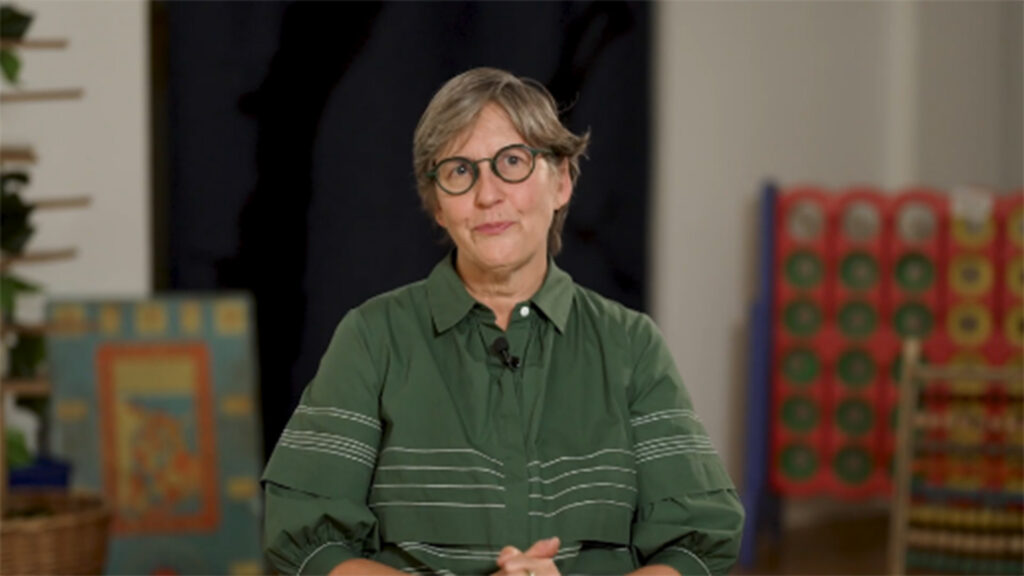
Candy and her husband spent 25 years building a family business selling wood stoves. They grew carefully and conservatively, planning for this year to be a time of stability. Instead, unexpected tariffs hit their specific goods at a rate of 65%, halting their marketing efforts and forcing them into survival mode.
KIMBERLY DANIELS
Mercantile Logistics & International Trade, Inc.
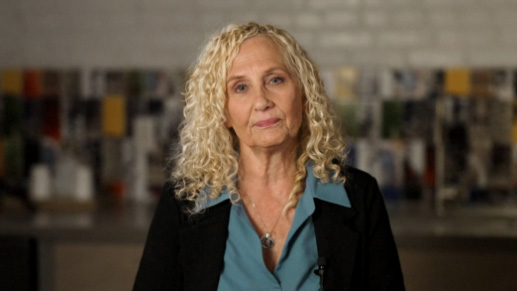
Kim is a licensed customs broker who helps small businesses and startups navigate international trade. She sees the invoice for every tariff hit. She has watched as tariffs destroy her clients—good people who have run businesses for 40 years—because they cannot pay the sudden tax bills to get their goods off the docks.
The Impact:
– Startups failing before launch
– Clients forced out of business by sudden tax bills
– Long-term businesses facing insolvency
Gabe Hagen
Brick Road Coffee
Gabe co-founded Brick Road Community Corporation, a coffee shop and roaster in Tempe, to embed himself in the local community. Because the U.S. grows less than 1% of the world’s coffee, Gabe relies on imports. With a 50% tariff on beans from Brazil, his costs jumped from $4 to $6 a pound—a massive hike for a small shop operating on thin margins.
The Impact:
– Forced to cut employee hours
– Prices raised to cover import taxes
– Ongoing risk of closure due to market volatility
“We went from putting things on our production board to trying to figure out where tariffs will be the cheapest. We spent an additional $25,000 we weren’t anticipating. That’s money I can’t spend making new products or hiring people.”
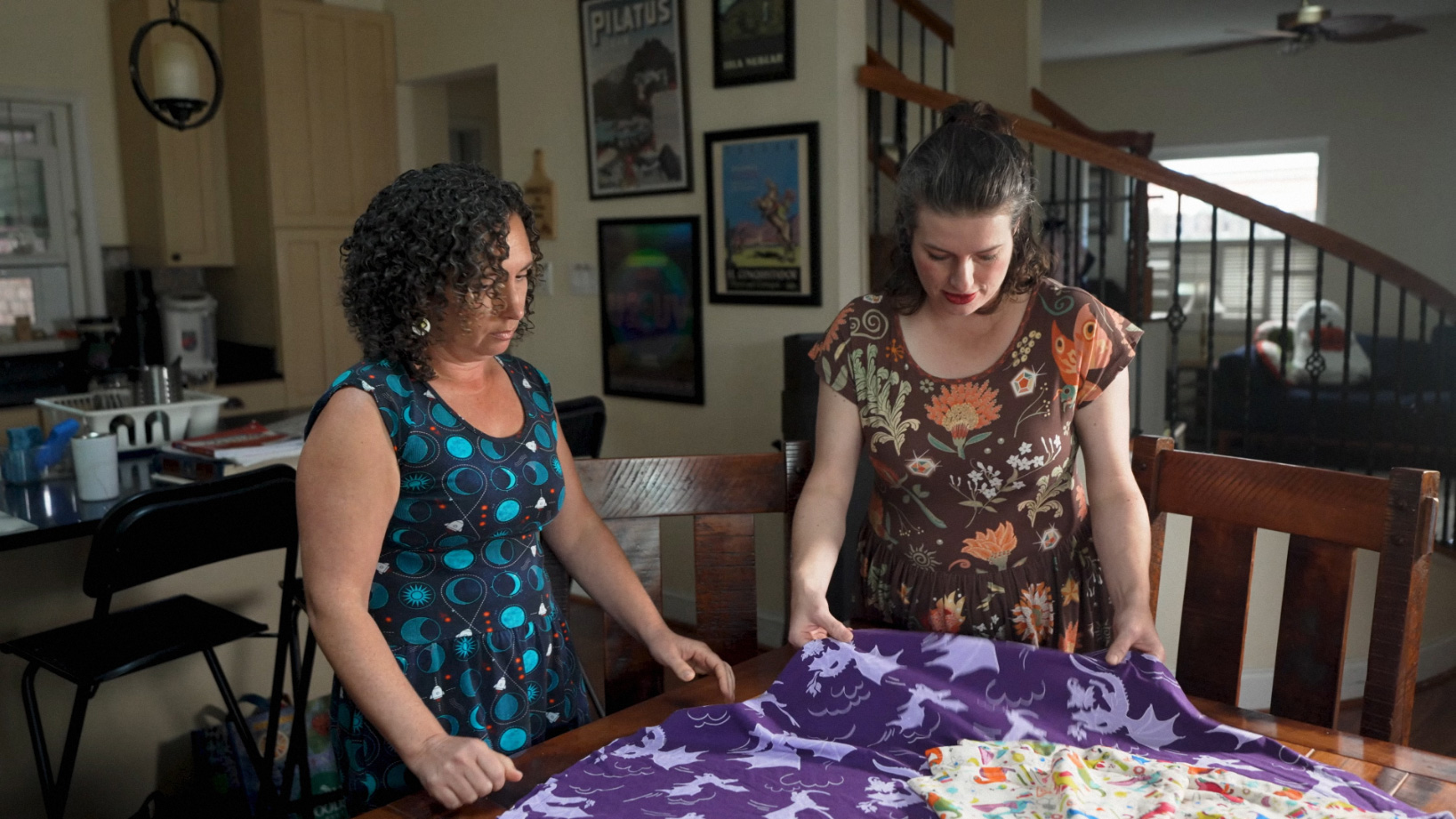
Rebecca and Eva founded Princess Awesome to make dresses featuring dinosaurs, rockets, and math for girls. They were hit with an unanticipated $25,000 in tariff costs, and had to spend their capital on that instead of fueling growth and hiring.
Valerie Bressler
VB Hose Clamps
Valerie owns VB Hose Clamps, importing specialized stainless steel “Jubilee Clips” directly from the original inventors in England. A 25% tariff on EU steel added nearly $9,000 to her costs overnight—a hit that larger corporations might absorb, but one that threatens to crush a small specialized vendor.
The Impact:
– $8,800 cost increase per shipment
– Inability to plan for the future
– Costs passed directly to consumers
Sari Wiaz
Baby Paper
Sari invented Baby Paper, a sensory toy for infants, after watching her own children fidget with napkins at restaurants. She manufactures and distributes the product herself. When tariffs settled at 30%, Sari was forced to raise her prices by nearly 20%, a move she fears is unsustainable for parents already struggling with inflation.
The Impact:
– Prices were raised by nearly 20%
– Industry-wide layoffs
– Business growth stalled